Fall Is Coming
What Custom Home Builders Should Consider for New Construction Plumbing
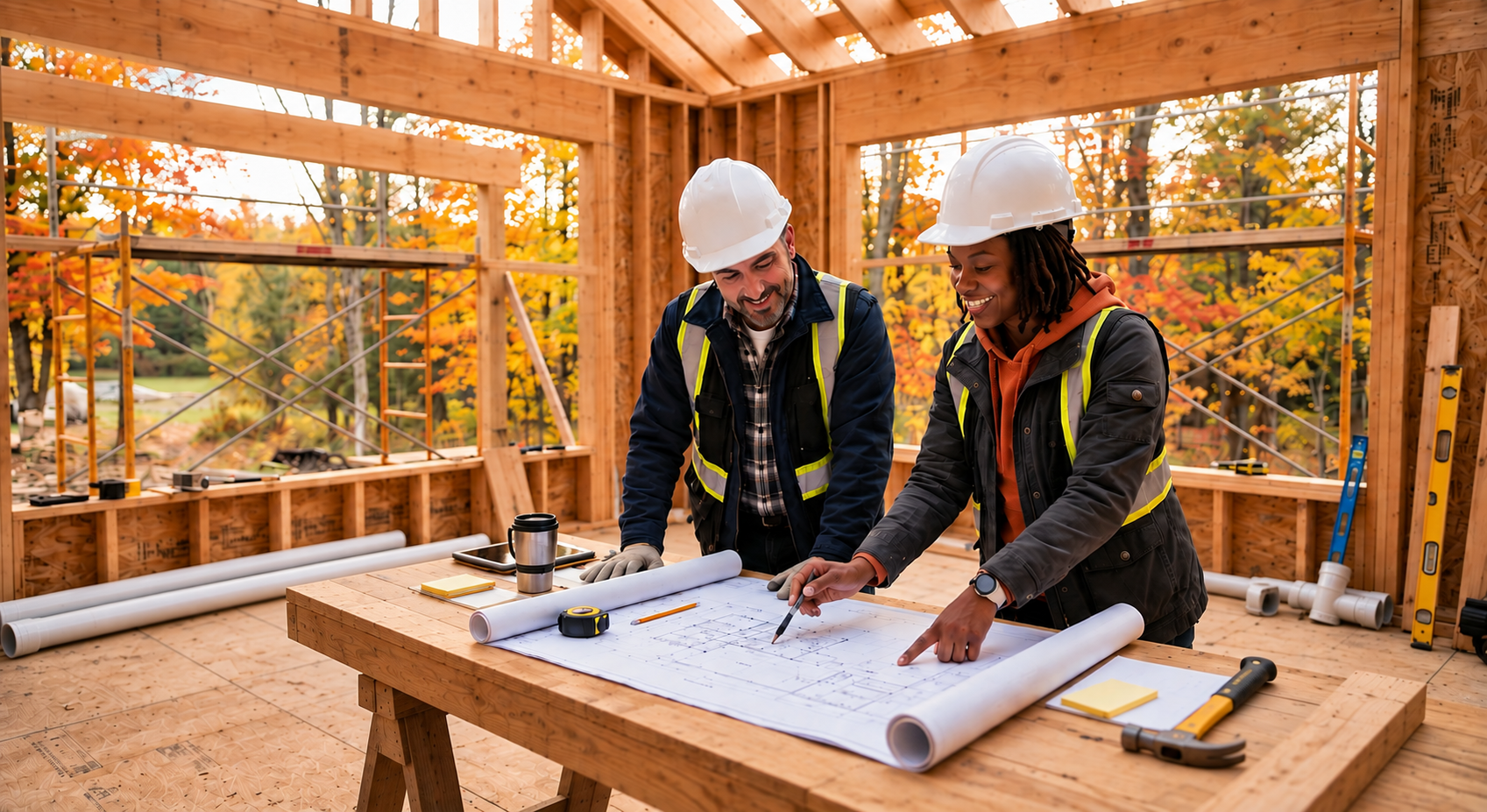
As summer begins winding down and fall approaches, custom home builders have a new set of considerations when managing residential construction projects. Cooler temperatures, shorter days, changing schedules, and eventually freezing weather can all affect the construction timeline.
Plumbing is one area where planning ahead can make a significant difference.
At Plumb Smart Plumbing, we work with custom home builders throughout the new construction process. As we transition into fall, here are several plumbing considerations builders should keep on their project radar.
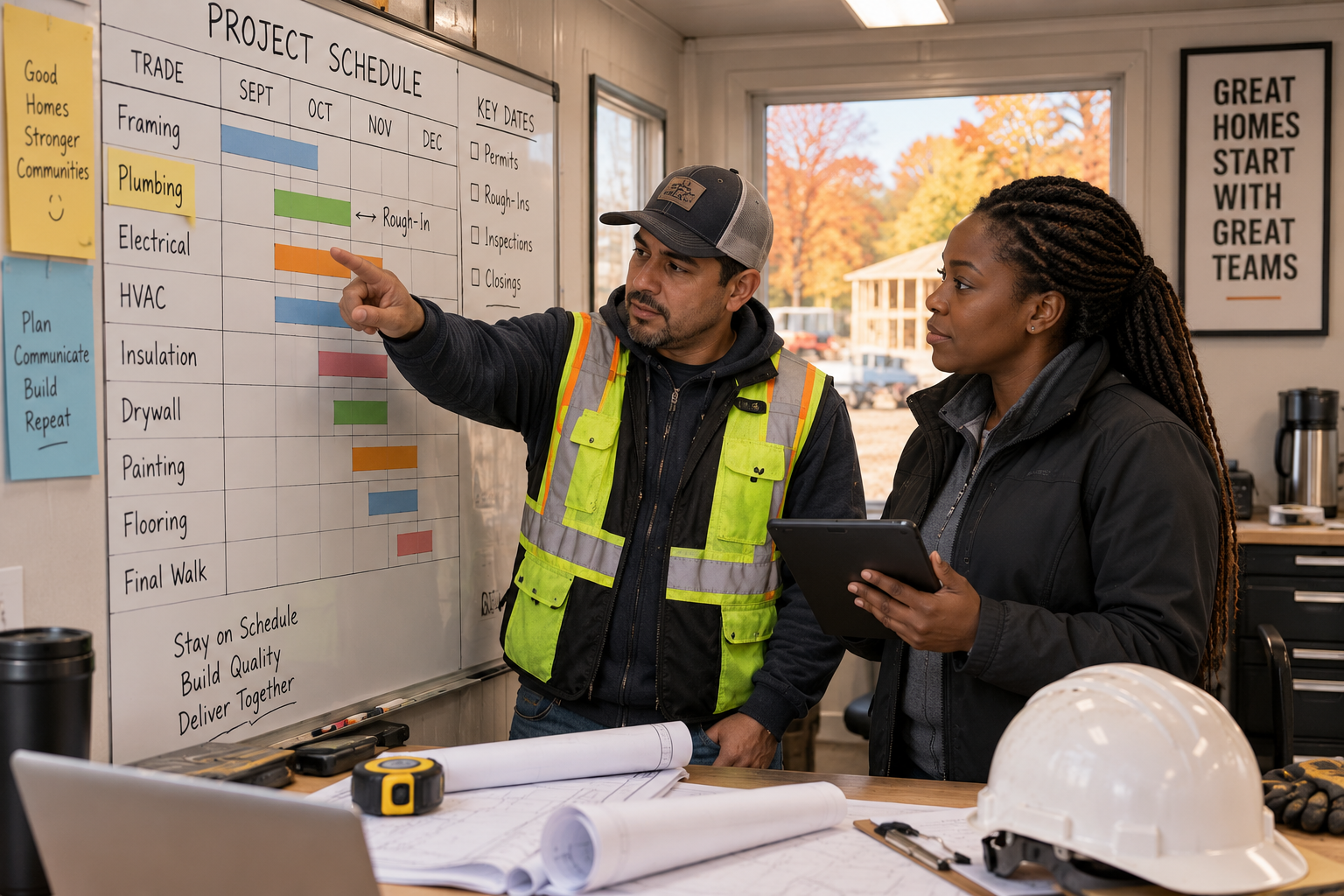
1. Plan Rough-In Scheduling Ahead of Time
Fall construction schedules can fill quickly as builders work to move projects forward before winter.
If you know a home will soon be ready for plumbing rough-in, communicate with your plumbing contractor early.
Before scheduling, make sure the project is actually ready for the plumber to begin. Delays caused by incomplete framing, last-minute layout changes, or missing information can affect not only that project but the schedules of every trade working behind it.
Good scheduling starts with good communication between the builder and trades.
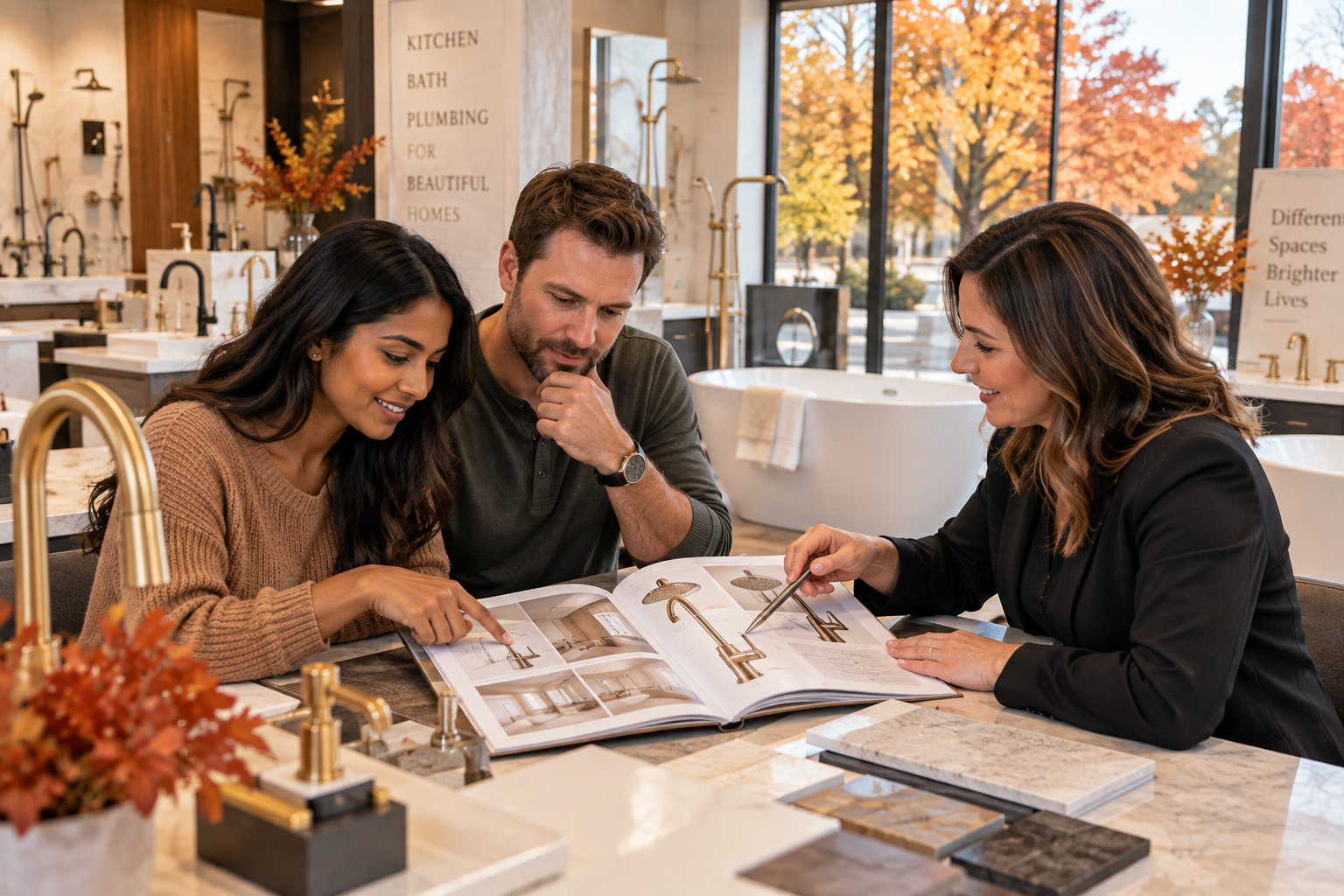
2. Finalize Fixture Selections Early
Custom homes often include fixtures that require specific installation requirements.
Freestanding tubs, specialty faucets, wall-mounted fixtures, custom showers, pot fillers, and other upgraded plumbing features may require specifications before plumbing can be properly placed.
Builders should encourage homeowners and designers to finalize plumbing selections as early as possible.
Waiting until the plumber arrives at the project to determine fixture specifications can create unnecessary delays or require plumbing to be relocated later.
3. Watch the Weather
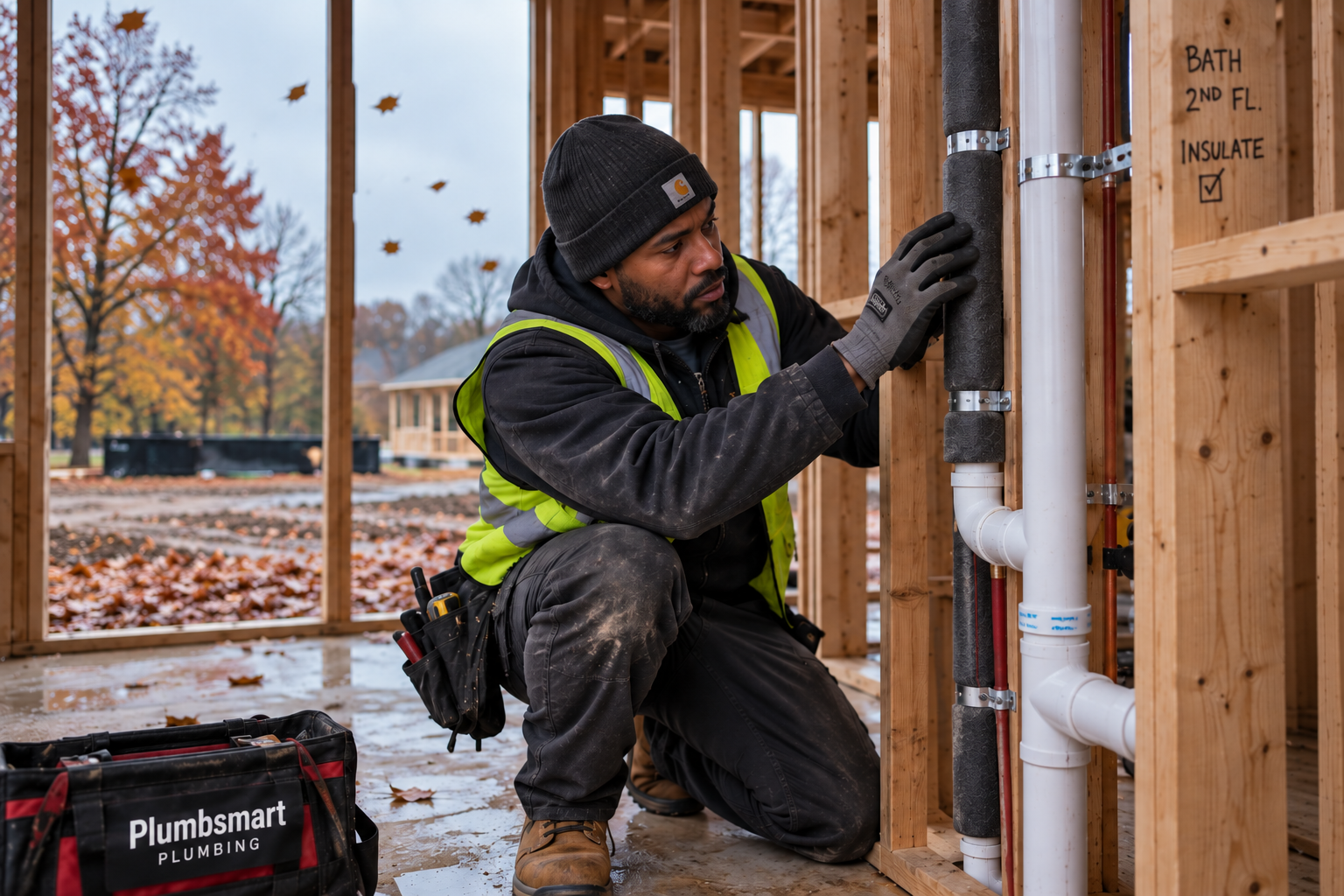
North Carolina weather can change quickly during the fall.
One week may feel like summer and the next may bring significantly colder temperatures.
As construction progresses, builders should pay attention to exposed plumbing and the condition of the home. Plumbing systems in unfinished homes don't have the same protection as those inside completed, conditioned houses.
As colder weather approaches, communication between the builder and plumber becomes increasingly important.
4. Make Sure the Jobsite Is Ready
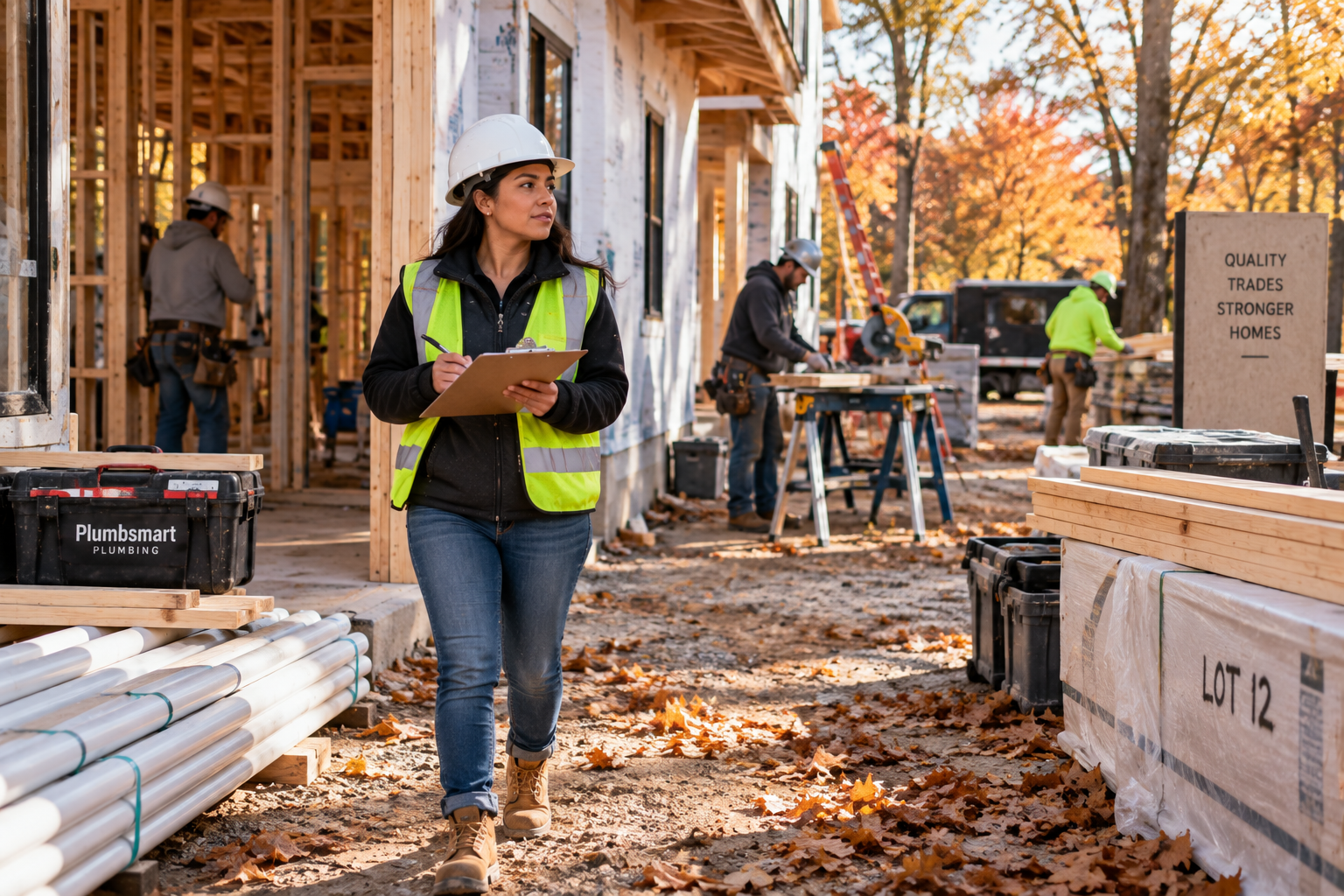
One of the easiest ways to keep construction moving is making sure each trade arrives at a jobsite that is ready for them.
Before plumbing work is scheduled, verify that the work required before the plumber's arrival has been completed.
This becomes increasingly important during busy construction seasons.
When one trade cannot complete its scheduled work, the delay can quickly affect inspections, drywall, cabinetry, flooring, trim-out, and the overall completion date.
5. Communicate Changes Before the Plumber Arrives
Custom homes change.
A homeowner decides they want a pot filler.
The bathroom layout changes.
A sink moves.
The homeowner chooses a different tub.
The shower design gets upgraded.
That's part of building a custom home.
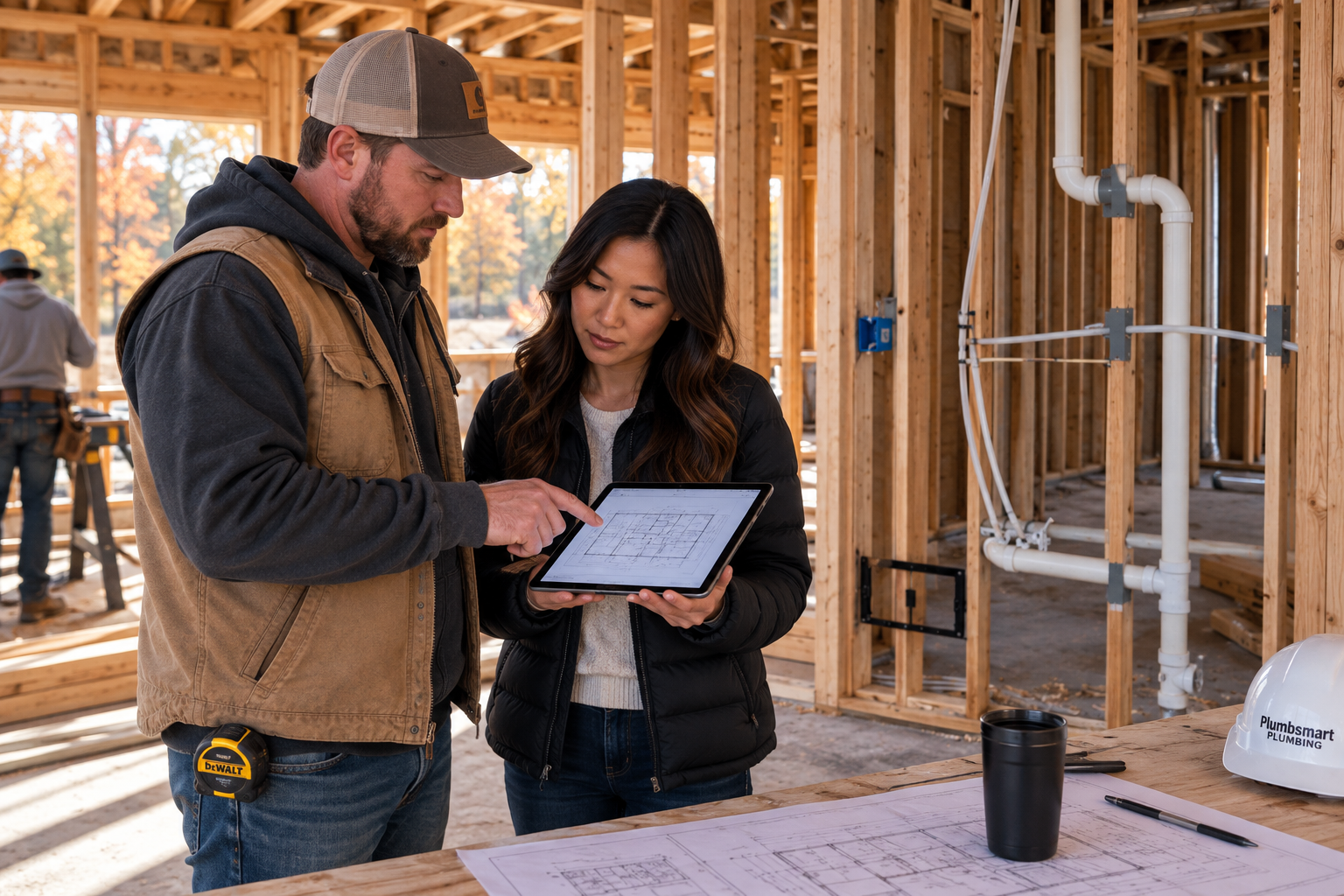
The important part is making sure those changes are communicated before the affected plumbing work is completed.
Changes that appear small on a floor plan can require considerably more work once plumbing has already been installed.
Clear change orders and early communication help the builder, homeowner, and plumbing contractor stay on the same page.
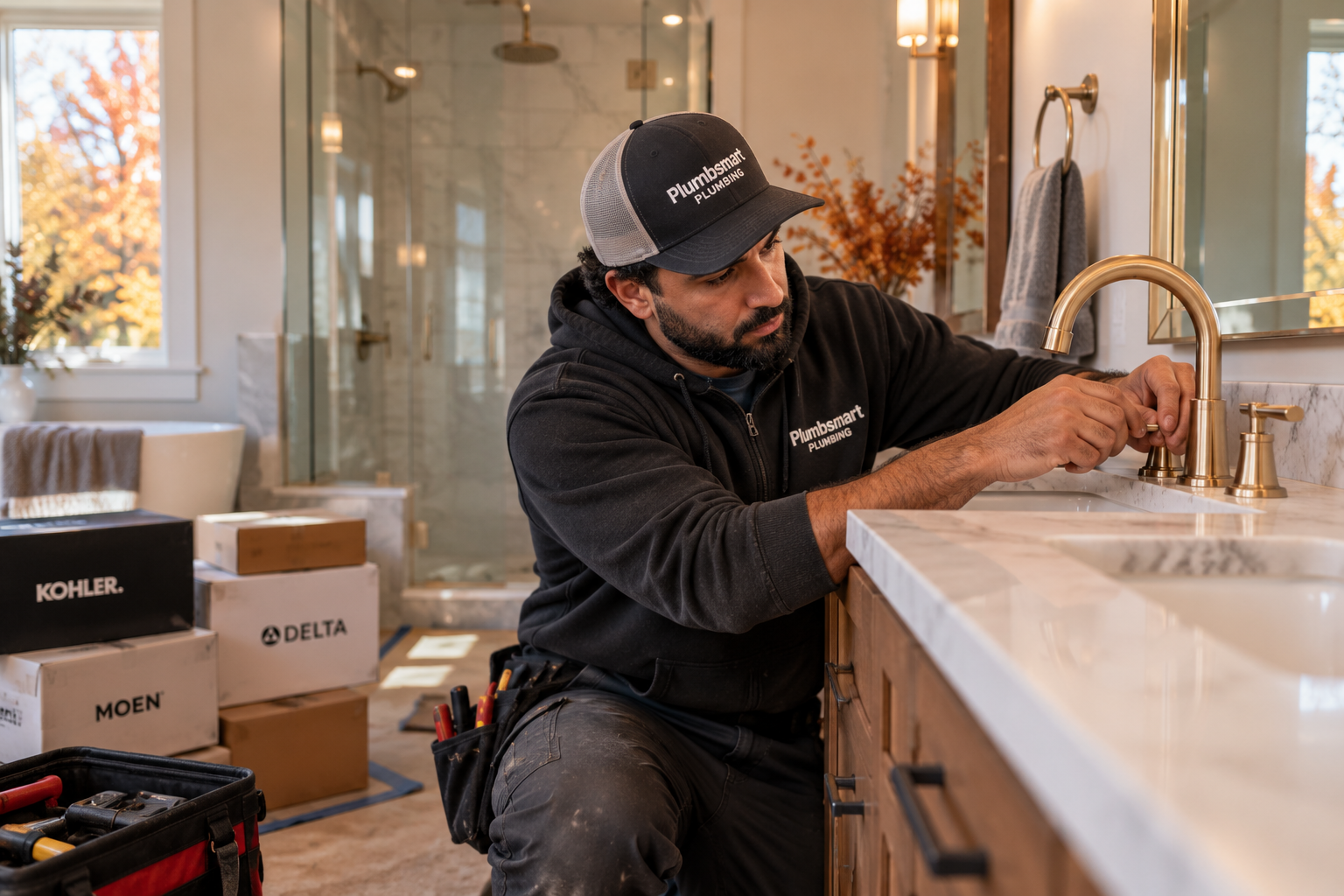
6. Think Ahead to Trim-Out
Rough-in may be happening now, but builders should already be thinking about trim-out.
Fixtures should be ordered early enough to arrive before the plumber is scheduled to return.
Before trim-out, verify that required fixtures and components are available at the jobsite and ready for installation.
Missing faucets, toilets, shower trim, sinks, tubs, or specialty components can prevent the plumber from completing the project as scheduled.
7. Pay Special Attention to Outdoor Plumbing
Custom homes increasingly include plumbing beyond the traditional kitchen and bathrooms.
Depending on the home, plans may include:
Outdoor kitchen sinks
Pot fillers
Hose bibbs
Additional exterior faucets
Pool-house plumbing
Garage sinks
Utility sinks
Dog-washing stations
These features should be discussed early in construction, particularly as colder weather approaches.
Planning ahead gives the plumbing contractor an opportunity to properly incorporate these additions into the plumbing system instead of trying to accommodate them after construction has progressed.
8. Keep Communication Organized
A custom residential construction project may involve a builder, project manager, homeowner, designer, plumber, electrician, HVAC contractor, framer, and numerous other trades.
When changes are communicated verbally to different people, details can easily get lost.
Builders should maintain a clear process for communicating:
Scheduling → Changes → Approvals → Installation
Documenting decisions helps reduce misunderstandings and gives everyone involved a clear reference point throughout construction.
Better Planning Creates Smoother Builds
Great custom homes aren't created by one trade working independently.
They're built when the builder, subcontractors, designers, suppliers, and homeowners communicate and plan ahead.
As fall approaches, taking a little extra time to coordinate plumbing schedules, fixture selections, change orders, and jobsite readiness can help keep projects moving as we head toward the colder months.
Looking for a Plumbing Partner for Your Custom Homes?
Plumb Smart Plumbing specializes in new residential construction plumbing and works with custom home builders to take projects from rough-in through trim-out.
We understand that builders need more than someone who can install plumbing.
You need a plumbing contractor who understands construction schedules, communicates with your team, coordinates project requirements, and helps keep the build moving.
If you're a custom home builder with upcoming residential projects, we'd love the opportunity to learn more about what you're building.
Plumb Smart Plumbing
Youngsville, North Carolina
📞 (919) 899-4707